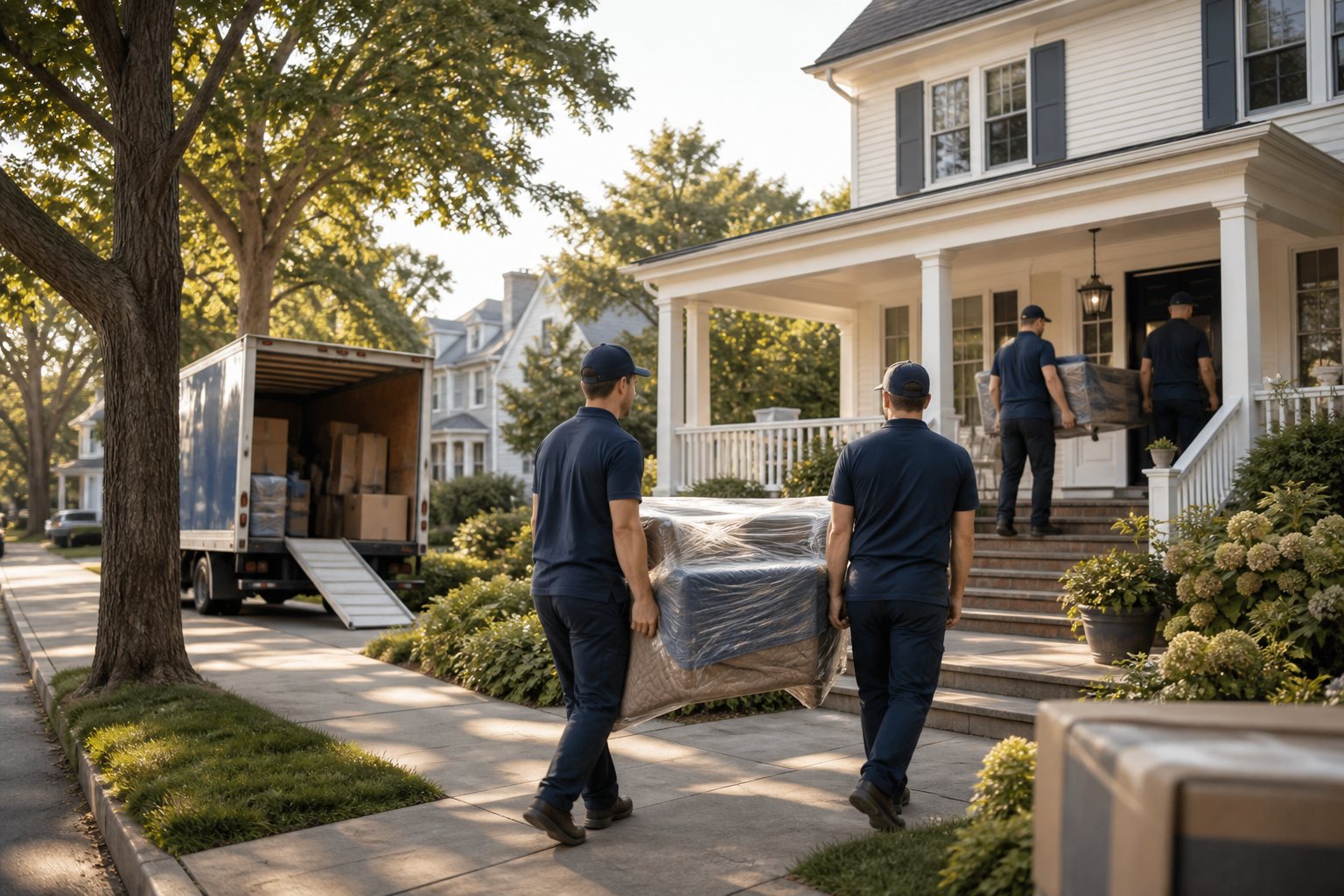
Moving to Dubai for the First Time: What Actually Goes Wrong With the Move Itself

Most moving guides focus on visas, schools, and finding an apartment. Useful information, but it skips the part that actually determines whether your first weeks in Dubai are smooth or stressful: what happens to your belongings between the moment they leave your old home and the moment they're unpacked in your new one.
After coordinating moves into Dubai for years, we see the same handful of logistics problems come up again and again — almost all of them avoidable with the right preparation.

1. Customs Documentation Is Where Most Delays Happen
Dubai customs is efficient when your paperwork is right, and slow when it isn't. Every shipment needs an accurate, detailed inventory list, and certain categories of items require additional documentation or are restricted outright — alcohol, certain medications, religious materials, and specific electronics among them.
The single most common cause of a shipment getting held at the port isn't smuggling or anything dramatic — it's an inventory list that doesn't match what's actually in the boxes, or missing documentation for an item that needed it. Once a shipment is flagged, it can sit for days or weeks while the paperwork gets sorted, and storage fees accumulate the whole time.
This is exactly why we prepare full customs documentation before the shipment leaves origin, not after it arrives — pre-clearance avoids the bottleneck entirely.
2. Packing for Heat and Long Transit Matters More Than People Realize
A shipment heading to Dubai by sea freight can spend 4 to 8 weeks in transit depending on origin, much of it inside a container that gets genuinely hot. Wooden furniture, leather items, electronics, and anything with adhesive or wax components need specific packing treatment to survive that environment without warping, cracking, or degrading.
Standard packing that works fine for a domestic move often isn't sufficient for a long sea transit into a hot climate. This is where professional crating and climate-appropriate wrapping make a real difference — it's not overcautious, it's necessary.
3. Vehicle Shipping Has Its Own Set of Rules
If you're bringing a car, motorcycle, or any vehicle, Dubai has specific import requirements: registration documentation, compliance checks, and in some cases modification requirements depending on the vehicle's origin specifications. Vehicles are typically shipped in sealed containers, and the paperwork needs to be sorted before the vehicle even leaves your home country — not after it arrives at the port.
4. The Final Mile Inside Residential Communities Can Be Restrictive
Many residential buildings and gated communities in Dubai have specific rules about moving — designated hours, required building permits for the move itself, freight elevator bookings, and sometimes a refundable deposit held by building management until the move-out inspection confirms no damage was done to common areas.
Arriving with a truck and no prior coordination with building management is one of the more common ways a move gets delayed on delivery day. This needs to be confirmed and booked in advance, not handled on the day.
5. Unpacking and Setup Often Gets Overlooked in Planning
Getting boxes into the apartment is not the same as being moved in. Many newcomers underestimate how long full unpacking and setup takes, especially with limited local knowledge of where to dispose of packing materials, where to source missing items, or how to handle furniture assembly for pieces that were disassembled for shipping.
A good move includes a clear unpacking plan, not just delivery — furniture reassembled, boxes cleared, and packing materials removed rather than left for you to deal with.
What a Well-Run Move Into Dubai Actually Looks Like
- Full pre-clearance documentation prepared before the shipment leaves origin
- Climate-appropriate packing for long sea transit
- Vehicle paperwork sorted in parallel with household goods, not after
- Building permits and freight elevator bookings confirmed ahead of delivery day
- A defined unpacking and setup process, not just a drop-off
At Reloship, this is the part of the move we own end-to-end — packing, customs clearance, shipping, and unpacking, coordinated by a single point of contact so nothing falls through the cracks between handoffs. If you're planning a move to Dubai, we're happy to walk you through exactly what your shipment will need.