
Moving to the United States: What Actually Happens to Your Shipment
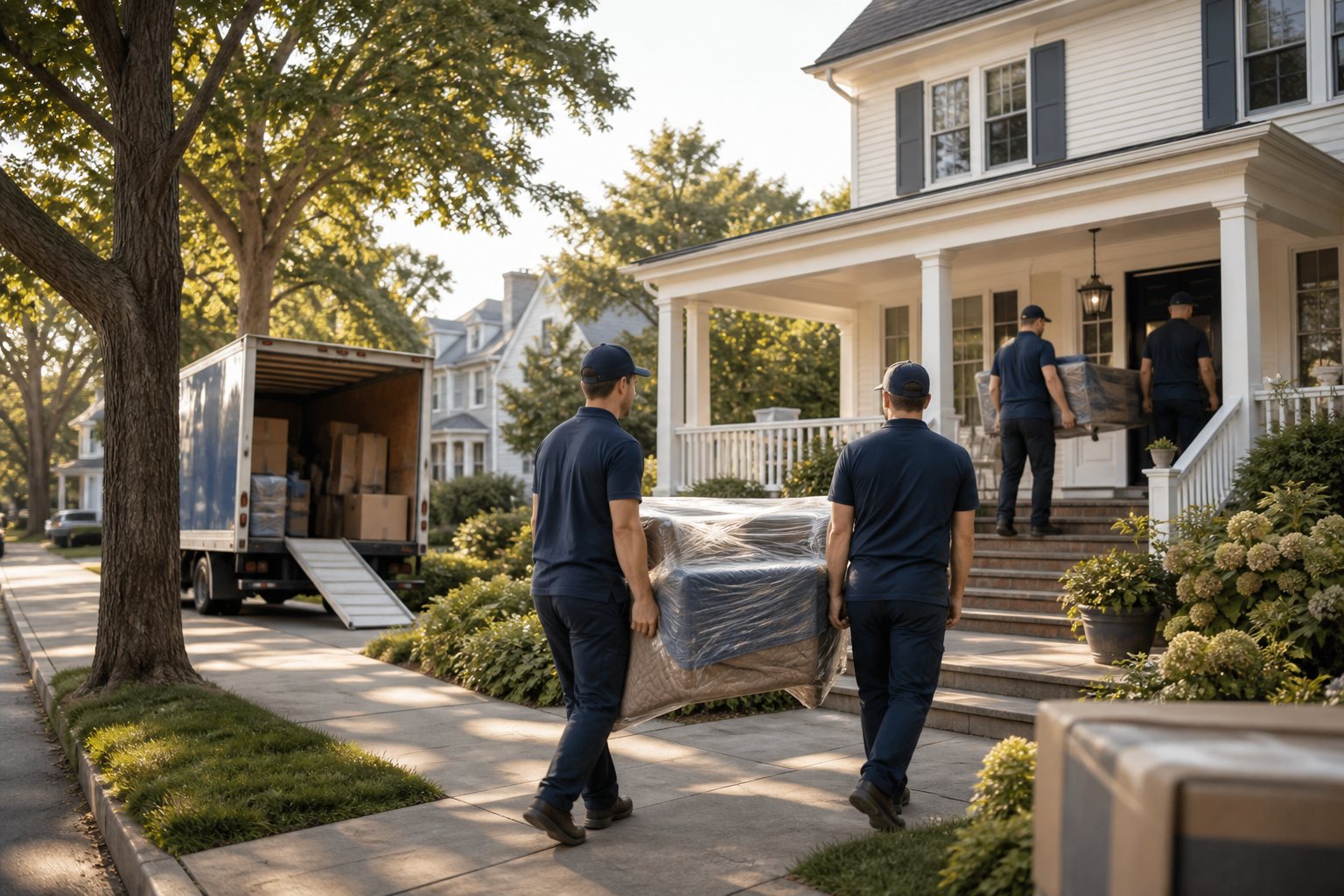
A move to the US comes with plenty of advice about visas and bank accounts — but far less about what actually happens to your belongings between packing day at origin and the moment boxes are opened in your new home. That part of the process has its own rules, timelines, and common pitfalls, and it's where most avoidable problems happen.
Here's what matters most on the logistics side specifically.

1. US Customs Documentation Is Detailed, and Accuracy Is Non-Negotiable
US Customs and Border Protection requires a complete, accurate inventory for household goods shipments, and certain categories face specific restrictions:
- Food and plant products: most fresh food, meat, and many plant-based items are restricted or banned outright.
- Wood items: untreated wood furniture or anything with bark can be pulled for fumigation or pest inspection, adding time and cost.
- Medications: prescription medications need proper documentation, and some medications considered routine elsewhere are controlled substances in the US.
- Vehicles: importing a car involves EPA and DOT compliance checks separate from the household goods process entirely.
The packing list needs to match the shipment exactly. A mismatch between declared and actual contents is the most common reason a shipment gets held at the port — not anything intentional, just an inventory that wasn't done carefully enough.
2. Shipping Method Affects Both Cost and Timeline Significantly
Sea freight into the US typically takes 4 to 10 weeks depending on origin and which coast you're shipping into. Air freight is much faster but priced per kilogram, which makes it cost-prohibitive for full household shipments and better suited for a smaller batch of essentials you need sooner.
A common and effective approach: ship the essentials you'll need in the first few weeks by air, and send the bulk of the household by sea. This avoids the gap of waiting weeks for basic necessities while the rest of the shipment is still in transit.
3. Port Congestion Is a Real Factor, Especially Seasonally
Major US ports — particularly on the West and East Coasts — can experience seasonal congestion, especially around major holidays. This adds variability to arrival timelines that's worth planning around with buffer time, rather than booking a move-in date that assumes the shipment will arrive exactly on schedule.
4. Packing Needs to Account for Long Transit and Multiple Handling Points
A shipment crossing an ocean and passing through multiple handling points needs a different level of packing than a local move. Furniture, electronics, and fragile items should be packed and crated specifically for long transit, with materials suited to the items rather than generic wrapping. This matters even more for high-value items like artwork or musical instruments, which benefit from custom crating rather than standard cardboard and padding.
5. Delivery Logistics Vary Significantly Between US Cities
Delivering into a high-rise apartment in Manhattan is a completely different logistics challenge than delivering to a single-family home in suburban Texas — building access rules, parking restrictions for delivery trucks, freight elevator bookings, and certificate of insurance requirements from building management are all common in dense urban areas, and almost entirely absent in suburban or rural deliveries.
Confirming these requirements ahead of delivery day avoids the frustrating scenario of a truck arriving with no building permit on file and the move stalling on day one.
6. Unpacking and Furniture Reassembly Should Be Part of the Plan, Not an Afterthought
Furniture that was disassembled for shipping needs to be reassembled on arrival, and packing materials need to be cleared rather than left for you to deal with during an already overwhelming first week. A complete move includes this step as standard, not as an extra request.
What a Well-Managed Move Into the US Looks Like
- A detailed, accurate inventory matched precisely to customs documentation
- A freight strategy that splits essentials from the bulk shipment when timing matters
- Packing suited to long transit and the specific fragility of what's being shipped
- Delivery logistics confirmed in advance for the specific building or property type
- Furniture reassembly and full unpacking included as part of the service, not an add-on
At Reloship, this is the part of the international moving we manage end-to-end — packing, customs clearance, shipping, and unpacking, with a single coordinator so you have one person to call instead of five different parties. If a move to the US is in your plans, we're happy to walk through exactly what your shipment will need, city by city if needed.